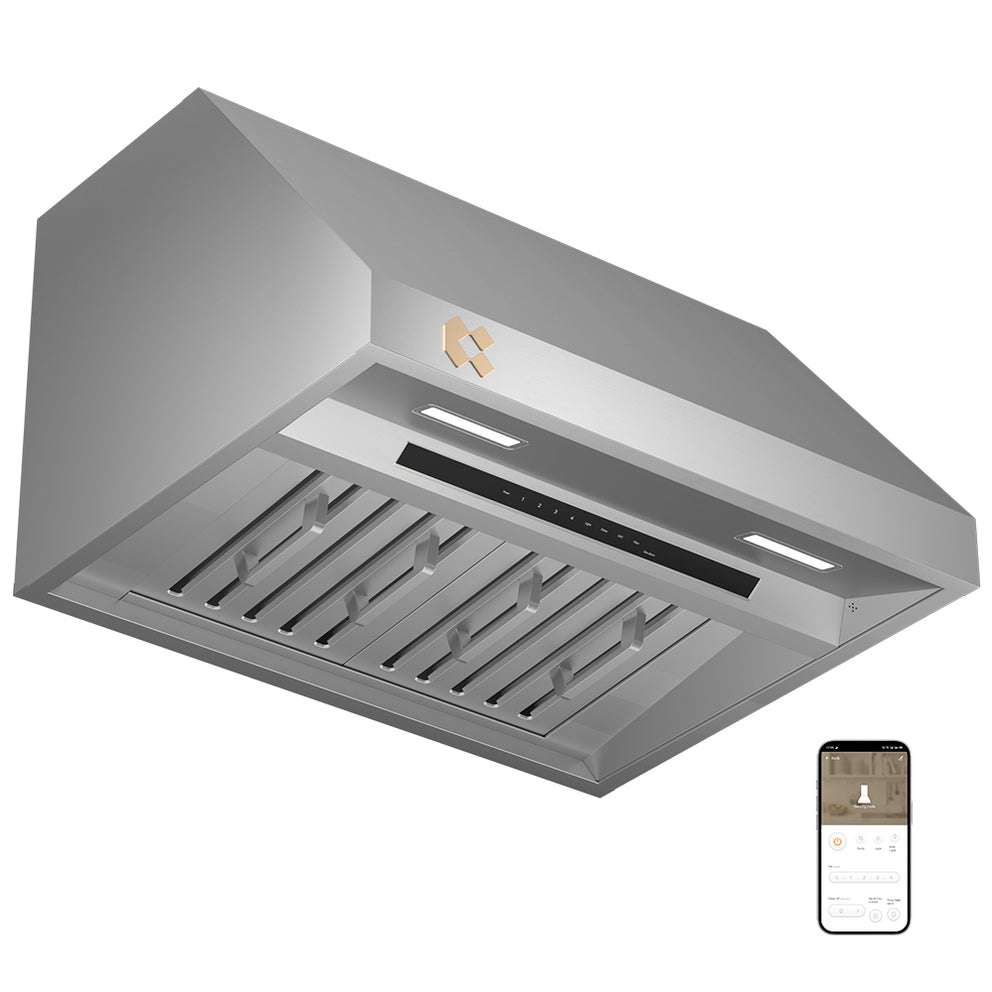









In many American households, a gas cooktop and range hood are the backbone of the kitchen. Gas stoves are loved for their precision and powerful heat, but they also produce smoke, grease, and harmful gases like nitrogen dioxide. That’s why pairing your gas cooktop with the right range hood is essential—not only for keeping your kitchen clean but also for protecting your family’s health. In this guide, we’ll cover everything you need to know: from choosing the best range hood for a gas cooktop to understanding CFM requirements, installation tips, and the top 2025 recommendations.

Why You Need a Range Hood for a Gas Cooktop
Cooking on gas produces more than just delicious meals—it also releases smoke, grease particles, carbon monoxide, and nitrogen dioxide (NO₂). Without proper kitchen ventilation, these pollutants can build up, leading to poor indoor air quality and sticky kitchen surfaces.
A range hood for a gas cooktop solves these issues by:
- Removing smoke and odors quickly.
- Venting harmful gases outdoors (in ducted models).
- Reducing grease buildup on cabinets and walls.
- Creating a healthier cooking environment for your family.
Compared with electric cooktops, gas stoves generate more heat and can produce stronger cooking plumes, especially when using high-heat techniques such as wok cooking, pan-searing, or boiling large pots. Gas burners also create combustion byproducts, while grease and moisture can rise quickly with the hot air produced by an open flame.
For this reason, many homeowners ask: What CFM range hood do I need for a gas stove? Choosing the right range hood for a gas stove is important for capturing smoke, grease, heat, odors, and cooking byproducts before they spread throughout the kitchen.
The right airflow capacity depends on several factors, including the stove’s burner output, cooking style, how often you cook, and the size and layout of your kitchen. Understanding how many CFM a range hood needs for a gas stove can help you choose a ventilation system that effectively handles everyday cooking while reducing lingering odors, smoke, and indoor air quality concerns.

1. Choosing the Right Range Hood Size for Your Gas Cooktop
One of the biggest questions homeowners ask is: What size range hood do I need for my gas cooktop?
- For a 30-inch gas cooktop, you’ll want at least a 30–36 inch range hood.
- For a 36-inch gas cooktop, aim for a 36–42 inch hood for maximum coverage.
The general rule: the hood should be 3–6 inches wider than the cooktop.
Distance Between Gas Cooktop and Rangehood
The recommended distance between a gas cooktop and a range hood is typically 24 to 30 inches (61–76 cm). This height provides effective smoke and grease capture while ensuring safety and comfortable cooking space. Always check your range hood manufacturer’s instructions and local building codes for exact requirements.
What is the Height of a Commercial Kitchen Rangehood?

2. Understanding CFM Requirements
There is no single U.S. federal requirement for residential range hood CFM, but industry standards provide reliable sizing guidance for homeowners, especially for gas cooktops.
| Calculation Method | Recommendation | What It Means in Practice |
|---|---|---|
| Cooktop width rule | ~100 CFM per linear foot | Larger cooktops require higher airflow |
| BTU-based rule | ~100 CFM per 10,000 BTUs | Higher heat output = stronger ventilation needed |
| Typical 30" gas range | 300–600 CFM | Suitable for everyday home cooking |
| High-output gas cooking | 600–900+ CFM | Best for frequent frying, grilling, heavy smoke |
3. Typical Range Hood Sizing by Cooktop
| Cooktop Type | Recommended CFM Range | Usage Scenario |
|---|---|---|
| 30-inch gas range | 300–600 CFM | Standard daily cooking (boiling, sautéing, light frying) |
| 36-inch gas cooktop | 600+ CFM | Larger surface area, more burners, higher output |
| High-BTU professional-style range | 600–900+ CFM | Heavy cooking, strong smoke and grease production |
CFM recommendations are starting points, not fixed rules. Actual performance depends on:
- Kitchen layout (open vs. closed space)
- Ceiling height and air volume
- Duct length and number of bends
- Cooking habits (light use vs. heavy oil cooking)
For example, a 30-inch gas range typically performs well with a 300–600 CFM range hood, while a 36-inch cooktop or high-BTU setup usually requires 600 CFM or more to maintain effective air extraction.
Higher cooking intensity always requires higher airflow to keep the kitchen air clean, reduce grease buildup, and control odors efficiently.

Ducted vs. Ductless Range Hoods: Which is Better?
When comparing ducted vs. ductless range hoods for a gas cooktop, many American homeowners find themselves weighing efficiency against convenience.

A ducted range hood vents air outdoors, making it the more powerful and low-maintenance option, especially for frequent or heavy cooking, since it requires only occasional filter cleaning and can last over a decade with minimal upkeep.
In contrast, a ductless range hood recirculates air back into the kitchen using charcoal filters. While this setup is easier to install in apartments or homes without exterior ductwork, it does require more maintenance—filters need to be cleaned or replaced at least every six months, and for households that cook often, monthly cleaning may be necessary to prevent grease buildup. Regular care includes checking for fan wear, scrubbing grease and limescale deposits, or even running some filters through the dishwasher if they’re dishwasher-safe.
For consumers who love the convenience of ductless systems but dislike the frequent filter replacement, Ciarra is developing a Plasma⁺ system solution designed to meet recirculating professional range hood standards while eliminating the need for constant filter changes.

You might be interested in:
Top Features to Look for in a Range Hood for Gas Cooktops
When shopping for the best gas cooktop and range hood combo, it’s important to look beyond just size. Modern homeowners in the U.S. expect power, quiet operation, easy maintenance, and even smart home integration.
When shopping for the best gas cooktop and range hood combo, it’s important to look beyond just size. Modern homeowners in the U.S. expect power, quiet operation, easy maintenance, and even smart home integration. Here are the top features to keep in mind:
Quiet Operation
Many homeowners prefer a quiet range hood, especially in open-concept kitchens. Noise levels under 65–70 dB are considered comfortable. Premium models operate around 60 dB, allowing you to cook without disrupting conversation or entertainment in the kitchen.
Efficient LED Lighting
Built-in LED lights provide clear illumination over the cooktop while conserving energy. Adjustable brightness settings allow for ambient lighting or bright task lighting when prepping ingredients or cooking complex meals.
Easy-to-Clean Filters
Maintenance is key for long-lasting performance. Dishwasher-safe baffle filters efficiently trap grease and are much easier to clean than traditional mesh filters. For ductless range hoods, check that activated carbon filters are replaceable every few months to maintain optimal air quality.
Smart Technology
Modern range hoods include WiFi connectivity, voice control with Alexa or Google Home, and touch-screen panels. Some smart models automatically adjust fan speed in response to smoke, or send filter cleaning reminders, making them perfect for tech-savvy kitchens.
Energy Efficiency (A, A+, A+++)
With rising energy costs, choosing a range hood with an energy rating of A, A+, or A+++ can save power without compromising airflow. These hoods are ideal for households that cook frequently while maintaining sustainable energy use.
Gas Leak Detection – Essential Safety Feature
For homes with gas cooktops, a range hood with built-in gas leak detection is a must-have. This feature can automatically alert you or shut off the appliance if a gas leak occurs, significantly reducing the risk of fire. Gas leak detection range hoods are especially valuable for families and households using natural gas or propane stoves.
 |
 |
Design and Style Options
A range hood isn’t just functional—it’s also a design statement in your kitchen. Popular options in the U.S. include:
- Wall-mounted range hoods – great for open wall kitchens.
- Under-cabinet hoods – perfect for compact spaces.
- Island range hoods – dramatic centerpiece for open kitchens.
- Stainless steel hoods – timeless and easy to clean.
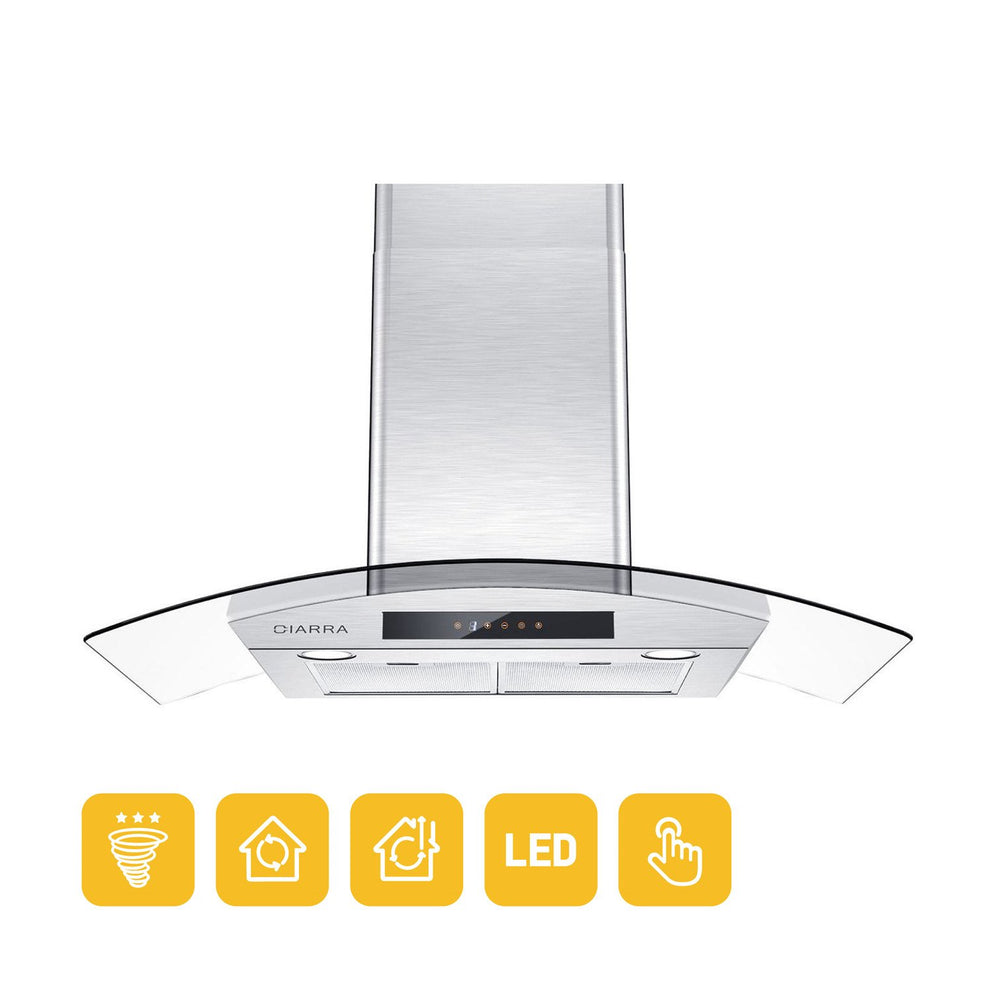
- Glass canopy designs – modern and stylish.
Pro Tip: For small kitchens, choose a 30-inch ducted or ductless under-cabinet hood. For larger kitchens or high-heat cooking, a 36-inch wall-mounted hood with 900+ CFM delivers professional-level performance and enhanced safety with gas leak detection, making it the ideal combo for any gas cooktop.
Why Materials Matter in Gas Cooking Environments
The materials used in a range hood play an important role in how well it performs over time, especially under high heat and humidity. For instance, some modern range hoods use construction materials selected specifically for demanding gas cooking conditions.
For example, high-temperature tempered glass is often tested under extreme thermal stress to ensure structural stability near open flames. Similarly, many premium hoods incorporate 304 stainless steel components for smoke capture panels, oil filters, and exterior surfaces. This type of stainless steel offers:
- Strong corrosion resistance in humid kitchens
- High tolerance to heat and temperature fluctuations
- Long-term durability with frequent cleaning
These material choices help ensure consistent performance even during extended high-heat cooking sessions, while also simplifying maintenance and preserving the appearance of the hood.

Top Recommended Models for Gas Ranges- Why Choose CIARRA Commercial Range Hood Professional Series Range Hoods?
- 304 Stainless Steel Construction: Rust, heat, and corrosion-resistant for lasting durability.
- High Suction Power: Up to 950 CFM to remove smoke, odors, and grease efficiently.
- Smart Home Integration: WiFi and voice control via Alexa, Google Home, or Smart Life App.
- Safety First: Gas leak detection sensors prevent accidents in gas kitchens.
- Easy Maintenance: Dishwasher-safe baffle filters with cleaning reminders save time.
- Modern Design: Sleek wall-mount or under-cabinet options to match any kitchen décor.

If you decide to purchase a professional range hood and want to learn how to install it properly, you can check out the article below. It provides comprehensive step-by-step instructions, detailed diagrams, and helpful tips to ensure a safe and efficient installation process.
Related: How to Install Professinal Range Hood
CIARRA Professional Series Range Hoods – Smart, Powerful, and Safe
CIARRA’s Professional Series Range Hoods are designed for modern kitchens, combining high-performance ventilation, smart technology, and advanced safety features. Built with durable 304 stainless steel, these hoods resist rust, heat, and corrosion while maintaining a sleek, professional look. Whether you have a wall-mounted or under-cabinet setup, CIARRA offers options that provide up to 950 CFM suction power, quiet operation, and gas leak detection, making them ideal for gas cooktops.
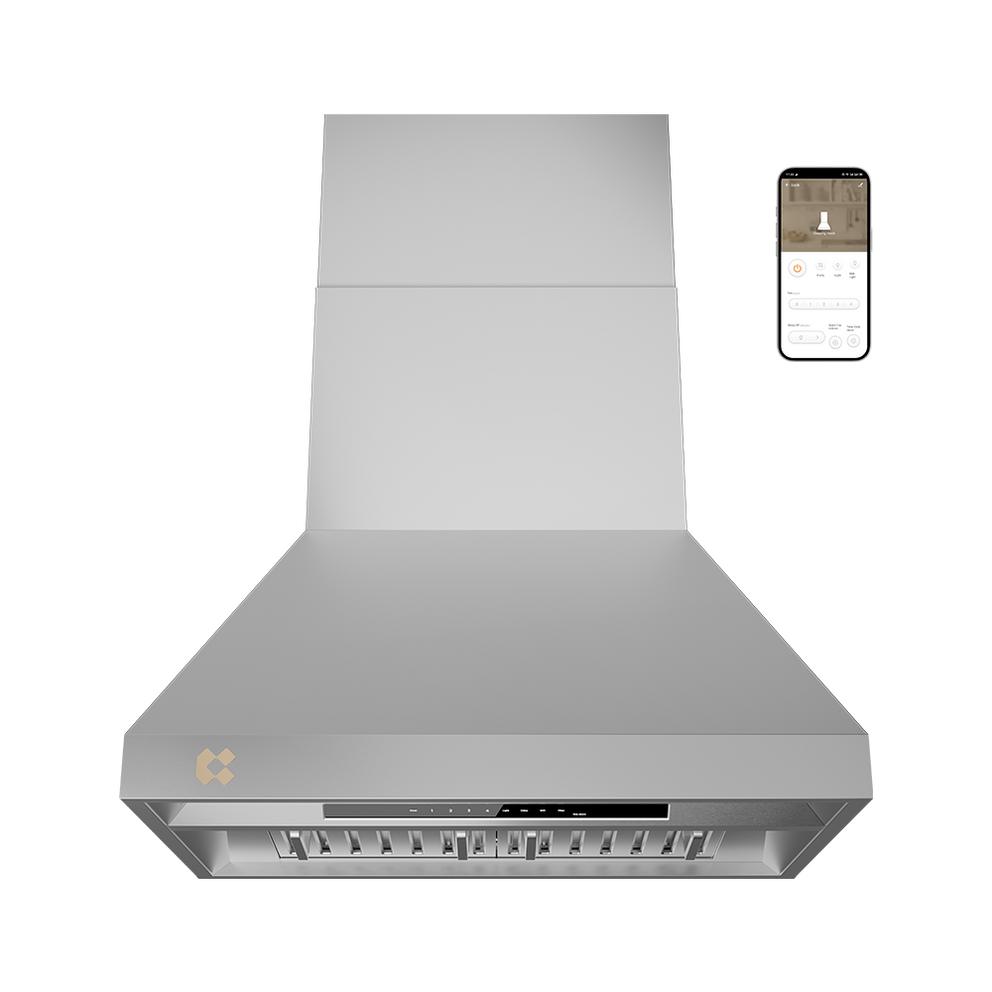
1. CIARRA 34-inch Built-In Wall-Mount Range Hood – CAS34927A-OW

Key Features:
- Max 950 CFM with superior motor housing for stable, efficient ventilation.
- 4-speed levels + Boost Function to handle light cooking or heavy smoke.
- Smart Control: WiFi connectivity, Alexa/Google Home voice control, and Smart Life App integration.
- Gas Leak Detection Sensors for enhanced kitchen safety.
- Dishwasher-safe baffle filters with cleaning reminders for easy maintenance.
- Delay Shut-Off Function and dual ventilation capability (external exhaust or Plasma⁺ system, sold separately).
- Modern 304 stainless steel construction, combining style and durability.
This professional wall-mount hood offers powerful suction to remove grease, smoke, and odors efficiently. Its smart technology allows you to control the fan and lighting remotely or with your voice, while the gas leak detection sensor ensures safer cooking for gas stove users.

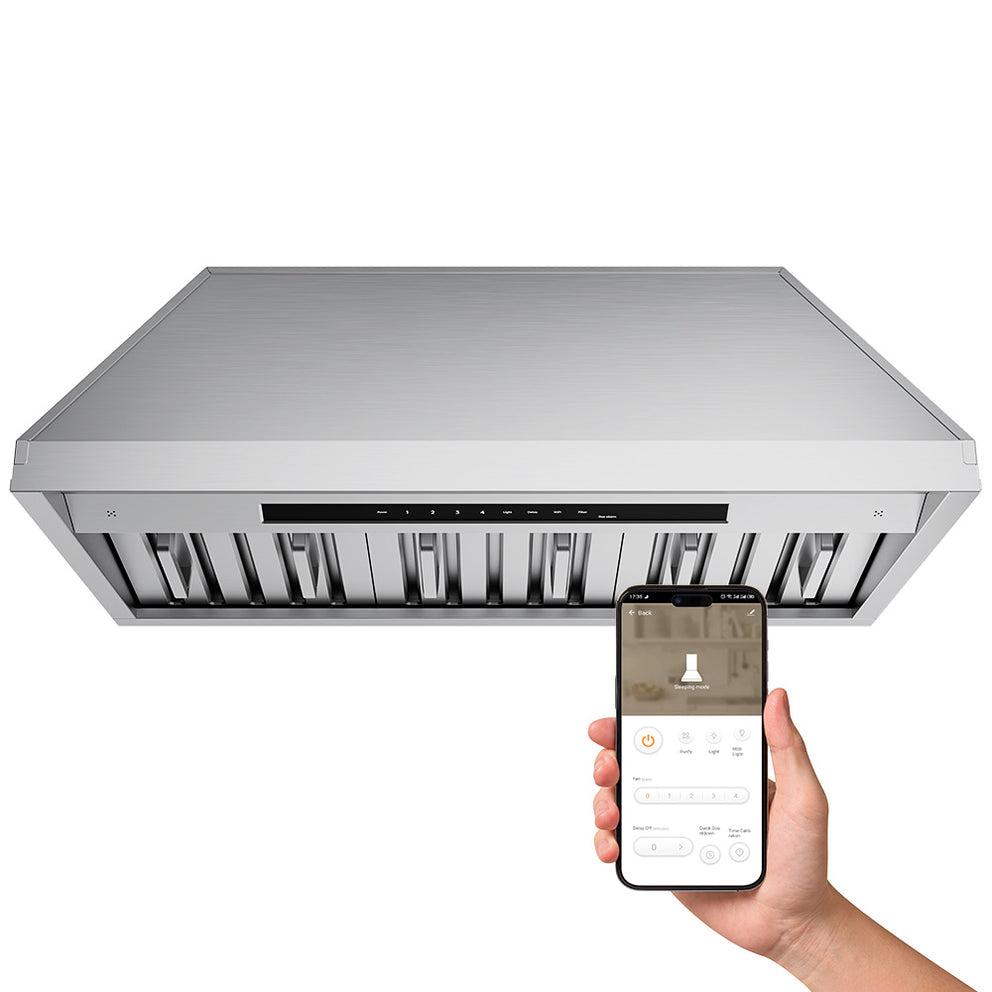
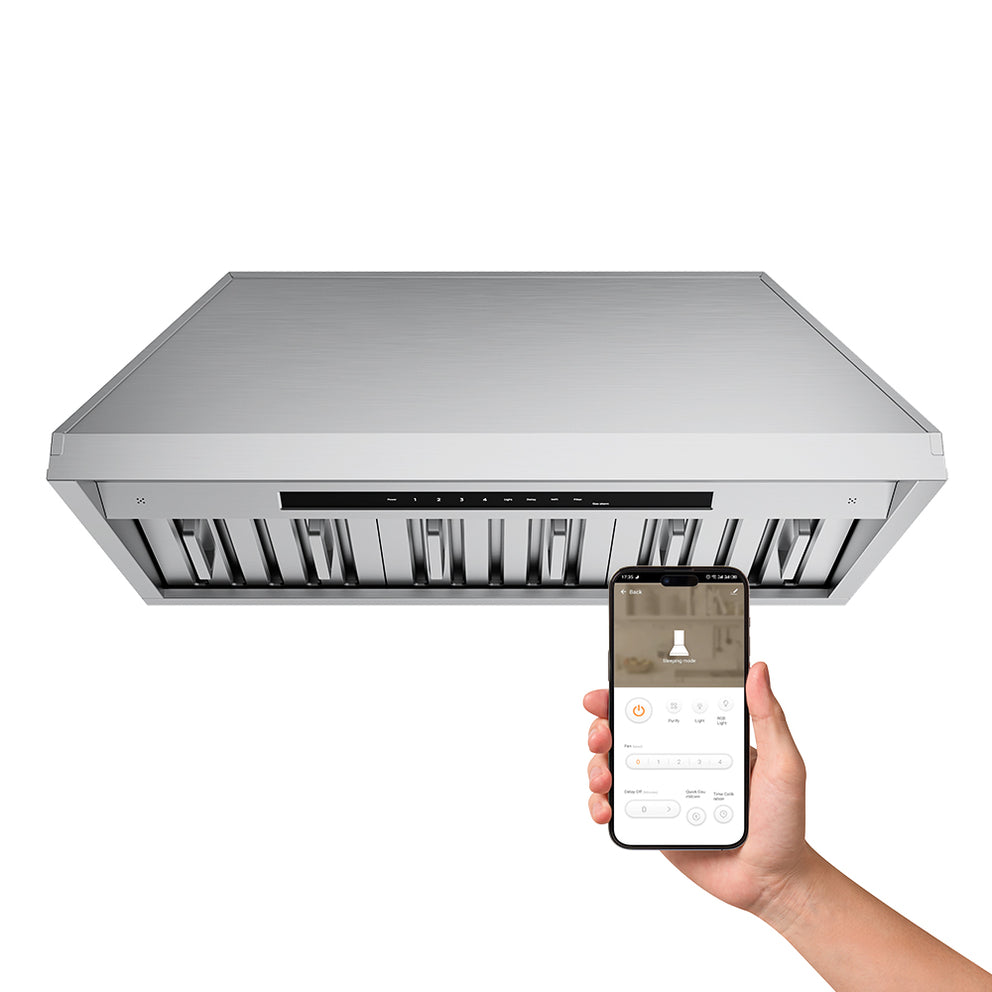
2. CIARRA 36-inch Under-Cabinet Range Hood Insert – CAS36928A-OW
Key Features:
- Max 950 CFM with cast aluminum motor housing for reliable operation.
- 4-speed levels + Boost Function for flexible ventilation.
- WiFi & Voice Control via Alexa, Google Home, or Smart Life App.
- Gas Leak Detection Sensors for added safety in gas kitchens.
- Dishwasher-safe baffle filters with filter cleaning reminders.
- Delay Shut-Off Function and dual ventilation with optional Plasma⁺ system.
- Durable 304 stainless steel ensures rust and corrosion resistance.

This under-cabinet range hood is perfect for compact or mid-sized kitchens, providing powerful suction and quiet operation. Its sleek design blends seamlessly with cabinetry, while the smart features and gas leak detection provide both convenience and safety.
3. CIARRA 36-inch Wall-Mount Range Hood – CAS36313A-OW
Key Features:
- Max 950 CFM, superior motor housing for stable and quiet operation.
- 4-speed levels + Boost Function for versatile cooking ventilation.
- Smart Control: WiFi, Alexa/Google Home voice integration, Smart Life App.
- Gas Leak Detection Sensors for enhanced kitchen safety.
- Dishwasher-safe baffle filters with reminders.
- Delay Shut-Off Function and dual ventilation options (external or Plasma⁺ internal purification).
- Built with 304 stainless steel for long-lasting durability and modern style.

This 36-inch wall-mount hood offers professional-grade suction and style. Its gas leak detection system is particularly important for households with gas cooktops, providing peace of mind while cooking high-heat meals.
FAQs
Do You Need a Special Range Hood for a Gas Stove?
You do not necessarily need a range hood designed exclusively for gas stoves, but gas cooking places higher demands on kitchen ventilation than many electric cooktops. A gas range produces heat, grease, smoke, moisture, and combustion byproducts, so the hood should have enough airflow capacity, appropriate coverage, and materials that can withstand the cooking environment.
For most American homes, the best choice is a properly sized ducted range hood with sufficient CFM for the gas cooktop. If you have a high-BTU or professional-style gas range, a professional range hood with higher airflow can provide better capture performance.
When choosing a hood for a gas stove, pay particular attention to:
- CFM: Higher-BTU gas ranges generally require stronger airflow.
- Hood width: The hood should adequately cover the cooking surface, with a wider hood often providing better capture.
- Ducting: A short, properly sized duct run with fewer bends generally improves real-world performance.
- Materials: Stainless steel and other heat-resistant materials are well suited to demanding kitchen environments.
- Filters: Baffle filters are particularly useful for capturing grease from frequent cooking.
- Noise: Higher airflow can produce more noise, so look for a hood that balances ventilation power with acceptable sound levels.
- Safety features: Gas-related safety technologies, such as gas leak detection where available, can provide an additional layer of protection.
For professional-style gas ranges, a professional range hood is often the better choice because these appliances can produce substantially more heat and cooking exhaust than a standard residential cooktop.
What Kind of Range Hood Do I Need for a Gas Stove?
For most American households, a ducted range hood sized according to the gas cooktop's width, BTU output, and cooking habits is the best option.
A standard 30-inch gas range may work well with approximately 300–600 CFM, while larger or higher-output gas ranges may benefit from 600 CFM or more. Professional-style ranges with very high BTU output and frequent high-heat cooking may require 900 CFM or higher, depending on the installation and applicable local requirements.
For a gas stove, it is also important to consider capture efficiency, not just the CFM number printed on the product page. A well-designed hood that effectively captures the cooking plume can outperform a poorly installed hood with a higher advertised CFM.
Does a Ductless Range Hood Work for a Gas Stove?
Yes, a ductless range hood can be used with a gas stove, but traditional recirculating models have limitations. Activated carbon filters can reduce cooking odors and grease filters can capture airborne grease, but they do not provide the same outdoor ventilation as a ducted range hood and should not be relied on to completely remove combustion byproducts such as nitrogen dioxide (NO₂) or carbon monoxide (CO).
Ciarra Plasma⁺ offers a more advanced solution for recirculating ventilation. Its multi-stage filtration system is designed to capture grease, smoke, fine particles, and cooking odors while also targeting gaseous pollutants. Ciarra's controlled tests demonstrated 100% removal of ammonia (NH₃) within 30 minutes and complete SO₂ removal within approximately 11–14 minutes under the specified test conditions.
As a result, Plasma⁺ can significantly improve the quality of air returned to the kitchen and help eliminate lingering cooking odors. However, it should not be considered a replacement for required outdoor ventilation or dedicated CO safety equipment unless specific product testing supports those claims.
How Many CFM Range Hoods for a Gas Stove?
A common starting point for residential gas cooking is approximately 100 CFM per 10,000 BTU of cooking output, although this is only a general guideline and should not be treated as a universal U.S. requirement.
Another simple rule is approximately 100 CFM per linear foot of cooktop width.
For example:
- 30-inch gas range: approximately 300–600 CFM for typical residential cooking
- 36-inch gas range: approximately 600+ CFM, particularly with higher-BTU burners
- High-BTU professional range: approximately 600–900+ CFM may be appropriate
Frequent wok cooking, searing, frying or grilling: consider higher airflow and stronger capture performance
The most important point is that CFM should be matched to the cooking appliance and the way you cook. A 900-CFM hood is not automatically better if the ductwork cannot support the airflow or if the hood is poorly positioned.
Explore CIARRA® Professional Range Hoods
Clearing the air so you can sear, simmer, and flambé is a must for any adventurous cook. That’s why CIARRA® professional range hoods are built to fit any kitchen space, offering five different types of high-performance hoods. Breathe new life into your kitchen with a professional range hood designed to meet your cooking needs and elevate your culinary experience.