








In this guide, we’ll explain where the air goes, how ductless range hoods work, when they make sense, and what trade-offs to consider before choosing one.
Where Does the Air Go From a Ductless Range Hood?
A ductless range hood, also called a recirculating range hood, captures cooking air and sends it through a filtration system rather than exhausting it outdoors.
So, where does the air go from a ductless range hood?
Filtered air: The cleaned air is released back into the kitchen.
This self-contained design makes ductless range hoods useful in kitchens where installing an exterior ventilation duct is difficult, expensive, or not possible.
How Does a Ductless Range Hood Work?
The basic process is straightforward:
Cooking air → Grease filter → Carbon filter → Filtered air returned to kitchen
When you cook, the range hood fan draws air upward from the cooktop. The grease filter captures airborne grease and food particles first. The air then passes through a carbon filter designed to reduce odors before being recirculated into the kitchen.
Ducted vs. Ductless Range Hoods: How Do They Compare?
Trying to decide between a ducted range hood and a ductless range hood? The side-by-side comparison below can help you choose based on your cooking habits, kitchen layout, installation requirements, and ventilation needs.
| Feature | Ducted Range Hood | Ductless Range Hood |
|---|---|---|
| Performance | Strong ventilation; exhausts cooking air outdoors, helping remove heat, smoke, grease, and moisture | Filters and recirculates cooking air; best suited for light-to-moderate cooking |
| Cost & Maintenance | Higher upfront installation costs, but generally lower ongoing filter-related maintenance | Lower upfront installation costs, but requires regular filter cleaning and carbon filter replacement |
| Kitchen Design & Layout | Ductwork can limit design flexibility and may require modifications to walls, cabinets, or ceilings | Compact, self-contained design; ideal for apartments, condos, open kitchens, and smaller spaces |
| Installation Complexity | Requires ductwork and may require professional installation | Easier to install because no exterior ductwork is required |
Is a Ductless Range Hood Right for You?
For many kitchens, a ductless range hood is a practical choice, especially when installation flexibility and ease of setup are top priorities. A ductless range hood may be a good fit for your home if:
- You don’t have access to an exterior duct system.
- You’re remodeling your kitchen and want to avoid major construction or ductwork installation.
- You live in an apartment, condo, or rental home.
- You have a kitchen island or a layout that isn’t well suited for bulky ductwork.
- You typically prepare light-to-moderate meals that don’t produce heavy smoke.
- You prefer a streamlined kitchen design without visible ventilation ducts.
What is a Convertible Range Hood?
A convertible range hood is a versatile kitchen ventilation appliance designed to operate as either a ducted (vented) or ductless (recirculating) system, giving homeowners and renters the flexibility to choose their setup based on kitchen infrastructure. Almost all CIARRA range hoods are designed with this convertible functionality, allowing users to easily switch between ducted and ductless modes depending on their home's ventilation setup.

What CFMs Are and Why They're Important
CFM stands for Cubic Feet per Minute. It measures the volumetric airflow capacity of a range hood—specifically, how many cubic feet of air the exhaust fan can move in one minute.
Cooking releases fine particulate matter (PM2.5), carbon monoxide, and volatile organic compounds (VOCs).
A hood with adequate CFM exchanges contaminated air quickly enough to keep indoor air clean.
- Electric/Induction Cooktops: The rule of thumb is a minimum of 100 CFM for every 10 inches of cooktop width (e.g., a 30-inch cooktop requires at least 300 CFM).
- Gas Cooktops: Gas burners generate intense ambient heat. The industry standard requires 100 CFM for every 10,000 BTUs of total burner output.
| Cooktop Type | Minimum Recommended CFM | Best For |
| Electric / Induction | 300 – 400 CFM | Everyday boiling, steaming, light frying |
| Standard Gas Range | 400 – 600 CFM | Searing, medium-heat frying, daily cooking |
| High-End Commercial Gas | 600 – 1,200+ CFM | High-heat wok cooking, heavy searing, multi-burner use |
Factors to Consider When Choosing a Range Hood
When selecting a range hood for your kitchen, several factors should guide your decision. From the installation type to the style, each element will affect the efficiency, functionality, and aesthetics of your cooking space.
1. Installation Type
The type of installation you choose for your range hood is crucial, as it must align with your kitchen's layout and design.
- Wall Mount: Perfect for high ceilings or modern designs.
- Under-Cabinet: Suitable for limited space above the range.
- Insert: Built into cabinetry for a seamless look.
2. Size
Size is one of the most critical factors. A unit that is too large or too small leads to inefficiency. Measure your space carefully. Ideally, your range hood should be at least as wide as your cooktop or range. For best results, go a few inches wider to ensure efficient air circulation.
3. Fan Speed (CFM)
Measured in CFM (Cubic Feet per Minute), indicating air volume capacity.
- Small Kitchens: Need higher CFM for effective circulation.
- Large Kitchens: Air circulates freely with moderate CFM.
- High Heat Cooking: Requires 400-700 CFM for intense smoke.
4. Filter Type
- Aluminum Filters: Traps large grease/oil particles.
- Charcoal Filters: Absorbs smoke, fumes, and odors.
- Combination Filters: Dual protection for optimal purity.
5. Style
Choose a finish that complements your appliances. Stainless steel is a popular and durable choice giving a modern look, while matte black suits minimalist aesthetics. Ensure the shape aligns with your visual theme.
Are There Any Good Ductless Range Hoods?
Yes, If you’re in the market for a new ductless range hood, here are some of the best options for 2026.


Frequently Asked Questions
Are Ductless Range Hoods as Good as Ducted?
Ductless range hoods can be just as effective as ducted ones, but it depends on your kitchen's needs. While ducted hoods vent air outside, ductless hoods filter and recirculate the air, which can be a better choice for kitchens without an easy way to vent externally.
How Do I Choose a Ductless Range Hood?
When choosing a ductless range hood, consider the size of your kitchen, the cooking intensity, and the hood’s filtration system. A higher CFM rating and a combination of charcoal and aluminum filters are essential for better air quality.
What Are the Different Types of Ductless Range Hoods?
Ductless range hoods come in several types, including wall-mounted, under-cabinet, and island hoods. Each type offers different designs and installation options to fit various kitchen layouts.
How Does a Ductless Range Hood Work?
A ductless range hood works by pulling in smoke, grease, and odors from cooking, filtering them through charcoal filters, and recirculating the clean air back into the kitchen.
How To Install a Ductless Range Hood?
Installing a ductless range hood involves mounting it in the desired location (wall, under-cabinet, or island), securing it in place, and ensuring the filters are properly installed. You’ll also need to connect the electrical components for operation.
Conclusion
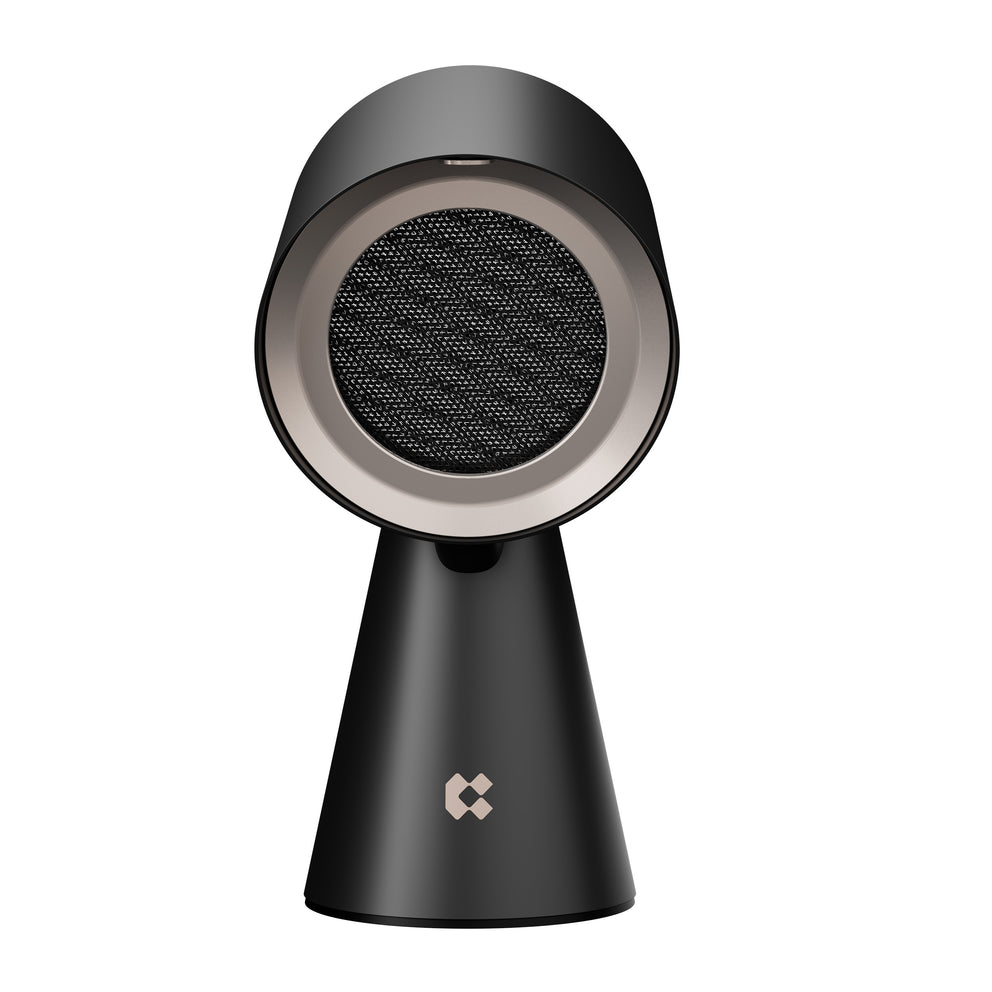
Ciarra offers a wide range of ductless range hoods that combine powerful suction, quiet operation, and innovative features to keep your kitchen air fresh and clean. Whether you're looking for a portable solution like the HOOD TO GO or a sleek under-cabinet model, Ciarra has you covered. With energy-efficient options, advanced filtration systems, and stylish designs, these range hoods are perfect for modern kitchens and various cooking environments.

Explore CIARRA® Range Hoods
Clearing the air so you can sear, simmer and flambé is a must for any adventurous cook. That’s why CIARRA® range hoods are built to fit any kitchen space by offering five different types of range hoods. Breathe new life into your kitchen with a range hood designed for your cooking needs.