









Cooking inside an RV can be challenging. Limited ventilation, compact layouts, and lingering food odors often turn small living spaces into uncomfortable environments after every meal. Whether you enjoy hot pot nights, indoor BBQ, frying bacon in the morning, or cooking quick meals during road trips, proper ventilation is essential.
That is where the Ciarra HOOD TO GO Portable Mini Desktop Range Hood stands out. Unlike bulky traditional range hoods that require permanent installation and external ducting, the HOOD TO GO is designed specifically for flexible spaces like RVs, campers, vans, studio apartments, and temporary cooking setups.
Why Traditional RV Ventilation Often Falls Short
Most RV kitchens come with minimal built-in ventilation. Standard RV fans are usually designed to circulate air rather than actively capture grease, smoke, and cooking odors. This becomes a problem when cooking:
- Hot pot
- Indoor BBQ
- Pan-frying
- Stir-frying
- Grilling
- High-heat cooking
For RV owners, van lifers, campers, and people living in compact apartments, ventilation becomes far more important than in a traditional home kitchen. Cooking in a confined space can quickly lead to lingering odors, grease buildup, excess humidity, and uncomfortable indoor temperatures. This is why many travelers compare portable range hoods with traditional fixed ducted systems before choosing the right solution.
The table below highlights the real-world differences between portable range hoods like the Ciarra Hood To Go and traditional fixed RV range hoods.
Portable vs. Fixed Range Hoods in Mobile Living Environments
| Feature | Portable Range Hood | Fixed Ducted RV Hood |
|---|---|---|
| Installation Complexity | Simple setup in under 5 minutes. No drilling, wall cutting, or ductwork required. | Professional installation may take 3–6 hours and often requires cabinet modifications and exterior vent routing. |
| Portability | Lightweight design, typically around 2–6 lbs, easy to move between RV kitchen, dining table, or outdoor camping setup. | Permanently fixed in one location with no portability. |
| Space Requirement | Compact footprint suitable for kitchens under 50 sq. ft. Can be stored inside cabinets after use. | Occupies permanent overhead cabinet space and reduces storage capacity. |
| Airflow Performance | Typically offers 80–200 CFM, suitable for light to medium smoke, steam, and odor control in compact spaces. | Usually delivers 200–600+ CFM, designed for continuous heavy cooking and stronger smoke extraction. |
| Odor Reduction | Carbon filtration can reduce approximately 80–90% of cooking odors during recirculation. | External venting can remove over 95% of odors and smoke directly outside the RV. |
| Energy Consumption | Low power usage, commonly around 30–80W, making it more suitable for RV batteries and portable power stations. | Higher energy demand, often 100–300W+ depending on motor size and fan speed. |
| Noise Level | Usually operates around 45–60 dB, similar to normal indoor conversation. | Can reach 60–75 dB under high-speed operation due to stronger motors and duct airflow. |
| Maintenance | Easy filter cleaning every 1–2 weeks. Most filters are removable and washable in minutes. | Requires periodic duct cleaning and more complicated long-term maintenance. |
| Cost | More affordable: typically around $50–$200 depending on airflow, filter system, and smart features. | More expensive: total installation and equipment costs can easily exceed $300–$800+. |
| Best Cooking Use | Ideal for hot pot, noodles, indoor BBQ, pan frying, quick RV meals, and weekend travel cooking. | Better suited for full-time RV living, frequent heavy frying, grilling, and large-volume cooking. |
One of the biggest advantages of a portable range hood in a mobile environment is adaptability. In many RV kitchens, ceiling clearance is limited, cabinet layouts vary, and permanent duct installation may not even be possible. Portable solutions allow users to create a flexible ventilation setup without modifying the vehicle.
The Ciarra HOOD TO GO solves these problems with a compact, plug-and-play design.
Meet the Ciarra HOOD TO GO Portable Range Hood
The Ciarra HOOD TO GO Portable Mini Desktop Range Hood is a lightweight portable cooking exhaust system designed for small-space cooking environments.
Instead of requiring complicated installation, this compact hood works immediately after plugging in. Its portable structure makes it ideal for RV owners who want cleaner air while cooking without modifying their vehicle.

How to Properly Maintain a Ciarra Portable Range Hood for Long-Term Use
For any portable RV kitchen exhaust fan, proper setup and regular maintenance are essential for long-term performance and reliability.
One common challenge with portable countertop exhaust fans is stability. Because these units are designed to be lightweight and easy to carry, they may wobble on uneven surfaces if the base is not properly secured or equipped with anti-slip protection.
Adjust the Air Intake Position Properly
Position the fan so the intake vent faces the main cooking area directly. Avoid placing the hood immediately above the pot or pan, since rising steam can condense on the cooler metal surface of the hood and drip back down during cooking.
Clean the Grease Filter Regularly
Remove the grease filter every two weeks and wash it using warm water and mild dish soap. Allow the filter to dry completely before reinstalling it. Never operate the fan with a damp filter, as moisture can damage the motor over time.
Replace the Activated Carbon Filter
If your unit uses activated carbon filters for odor removal, replace them every 3–6 months depending on cooking frequency. Once the carbon filter becomes saturated, it can no longer absorb odors effectively and may even release trapped smells back into the air.
Empty and Clean the Oil Collection Area
Grease can gradually accumulate inside the oil collection compartment or around the filter housing. Regular cleaning helps prevent heavy grease buildup and keeps airflow efficient over time.
Common Maintenance Issues to Watch For
Carbon Filter Saturation
When cooking odors continue to linger even while the fan is running, the activated carbon filter may no longer be effective and should be replaced.
Motor Overheating
Blocked airflow or dirty filters can cause the motor to overheat. Many portable range hoods include automatic shutoff protection to prevent permanent motor damage when overheating occurs.
With proper cleaning and filter maintenance, a portable range hood like the Ciarra Hood To Go can continue delivering reliable smoke and odor control for years, even in compact RV kitchens and small-space cooking environments.
How Should You Adjust a 2/3-Speed Exhaust Fan for Different Types of Cooking?
Choosing the right fan speed on a portable range hood is important for balancing ventilation performance and noise levels, especially in small spaces like RVs, apartments, or dorm kitchens. Using a speed that is too low may leave smoke and odors behind, while unnecessarily high speeds can create extra noise during light cooking.
The multi-speed design gives users more flexibility for different cooking situations. Low speed works best for lighter tasks like simmering sauces or preparing ingredients, providing quiet background ventilation with minimal noise. Medium speed is ideal for everyday cooking such as frying eggs, sautéing vegetables, or boiling pasta, offering a balanced combination of airflow and comfort.
High speed is designed for heavier cooking that produces large amounts of smoke and grease, including indoor BBQ, searing meat, or hot pot cooking. In these situations, stronger airflow is needed to quickly pull smoke and odors away from the cooking area.
Below is a breakdown of the best fan speed settings for different cooking activities:
Ciarra Portable Range Hood (2-Speed Model)
Designed for everyday cooking, compact kitchens, RV travel, and light indoor grilling, the standard Ciarra portable range hood focuses on simplicity, portability, and quieter operation for daily use.
| Speed Setting | Airflow Performance | Noise Level | Best For |
|---|---|---|---|
| Low Speed | 60 CFM | 4.0 sones | Simmering soup, boiling water, warming food, light cooking |
| High Speed | Over 70 CFM | Up to 6.5 sones | Pan frying, light grilling, noodles, reducing cooking odors |
| Cooking Activity | Recommended Speed | Why It Works |
|---|---|---|
| Boiling Pasta or Soup | Low | Very low steam production; quiet airflow is enough for basic ventilation. |
| Everyday Cooking | Low | Light cooking odors and small amounts of steam; quieter operation is more comfortable in small spaces. |
| Frying Eggs or Bacon | High | Moderate smoke, grease, and oily vapors; stronger suction helps prevent odors from spreading. |
| Quick Indoor BBQ | High | Heavy smoke, grease, and strong cooking smells; maximum airflow is needed for effective smoke capture. |
| Post-Cooking Cleanup | High | Helps remove leftover odors, grease particles, and trapped moisture after cooking. |
Ciarra Hood To Go Pro (3-Speed Model)
The Pro version is designed for users who cook more frequently or need stronger airflow for heavier smoke and stronger cooking odors. With 3-speed control and significantly higher airflow performance, it is better suited for hot pot, indoor BBQ, and RV cooking.
| Speed Setting | Airflow Performance | Noise Level | Best For |
|---|---|---|---|
| Low Speed | 110 m³/h (Approx. 65 CFM) | 2.5 sones | Quiet cooking, simmering, light steam |
| Medium Speed | 140 m³/h (Approx. 82 CFM) | 4.5 sones | Frying, sautéing vegetables, everyday cooking |
| High Speed | 160 m³/h (Approx. 94 CFM) | Up to 6.5 sones | BBQ, hot pot, grilling, heavy smoke cooking |
| Cooking Activity | Recommended Speed | Why It Works |
|---|---|---|
| Simmering or Steaming | Low | Very light steam and minimal cooking odors; low airflow is enough. |
| Cooking Noodles or Stir Fry | Medium | Moderate steam, smoke, and cooking smells; requires steady airflow. |
| Pan Frying or Searing Meat | Medium to High | Higher heat creates more smoke and grease; stronger suction improves air cleaning. |
| Indoor Hot Pot | High | Large amounts of steam and strong food odors; maximum airflow works best. |
| Korean BBQ or Tabletop Grilling | High | Heavy smoke, grease, and strong BBQ smells; requires powerful smoke removal. |
| Post-Cooking Air Refresh | Medium to High | Helps clear remaining odors, moisture, and airborne grease after cooking. |
During RV testing, we prepared a traditional Sichuan hot pot meal. The first time, we started using the medium fan speed, and within just a few minutes, the entire space filled with strong cooking odors and steam. However, once the broth started boiling, we immediately switched the fan to High speed, and the difference was dramatic. The smoke and steam were pulled away almost instantly, and the air stayed fresh enough to enjoy the meal comfortably without opening the windows.
CFM vs. Noise Level
In general, higher airflow (CFM) usually means higher noise levels. A 3-speed fan design allows users to balance quieter operation with stronger ventilation depending on the cooking situation.
Smoke Point
The smoke point is the temperature at which food or oil begins producing visible smoke. High-heat cooking methods generate more airborne particles, which is why stronger fan speeds are recommended during grilling, frying, or searing.
By matching the fan speed to the cooking intensity, a kitchen desktop exhaust fan can effectively remove smoke and odors without creating unnecessary noise during everyday cooking.
How Do Users Rate the Odor Removal Performance of Portable Range Hoods?
Portable Range Hood for Indoor RV BBQ, Hot Pot Cooking, Kitchen Desktop Exhaust Fan with 3-Speed Control and Adjustable Height
While experiences may vary depending on cooking habits and maintenance, most RV owners and mobile cooking enthusiasts give portable range hoods very positive feedback when it comes to reducing cooking odors in small spaces. Products like the Ciarra Hood To Go are especially popular among users who frequently cook indoors while traveling, camping, or living in compact apartments.
Many users mention that a portable range hood makes a huge difference during indoor BBQ, hot pot dinners, pan frying, or cooking fish inside an RV. Without proper ventilation, food smells can easily linger in curtains, seats, bedding, and fabrics for several days. With a properly positioned and well-maintained portable hood, cooking odors are much easier to control, helping keep the air fresher and more comfortable.
Most of the positive feedback comes from the 3 filtration system used in modern portable range hoods:
Grease filters help trap airborne oil and food particles
Activated carbon filters help absorb cooking odors and smoke
When both filters are cleaned regularly and working properly, users report that portable range hoods can significantly reduce cooking smells during recirculation cooking setups.
Carbon Filter Performance Makes a Big Difference
One of the most important factors affecting odor removal is the condition of the activated carbon filter. Over time, carbon filters become saturated and lose their ability to absorb smells effectively.
During internal testing by Ciarra’s product team, replacing the activated carbon filter after several months of heavy use noticeably improved odor control performance. Smells from garlic, onions, and strong spices that previously lingered in the air were reduced much more effectively after installing a fresh filter. This highlights how important regular filter replacement is for maintaining strong performance.
Users also appreciate the flexibility of the multi-speed fan settings. Lower speeds work well for light cooking and quieter operation, while higher speeds help manage smoke and stronger odors during grilling, frying, or hot pot cooking. This adjustable airflow gives users better control over kitchen air quality depending on the cooking situation.
Overall, user feedback suggests that portable range hoods are a major upgrade for anyone cooking regularly in enclosed spaces. They help turn smoky, odor-filled cooking environments into cleaner and more manageable spaces while making everyday cooking far more comfortable.
You might be interested in:
Shop Ciarra Hood to Go Portable Range Hood and Hood To Go Pro
Ciarra HOOD TO GO Portable Mini Desktop Range Hood
The Ciarra HOOD TO GO is a compact and lightweight portable range hood designed for RV cooking, indoor BBQ, hot pot nights, and small-space kitchens.
With over 70 CFM airflow and a quiet 2-speed design, it helps reduce smoke, grease, and cooking odors without requiring permanent installation. Its triple-filter system, dishwasher-safe filters, and easy plug-and-play setup make it ideal for apartments, dorms, campers, and tabletop cooking setups. At only 2.98 lbs, it is easy to carry, store, and use almost anywhere.
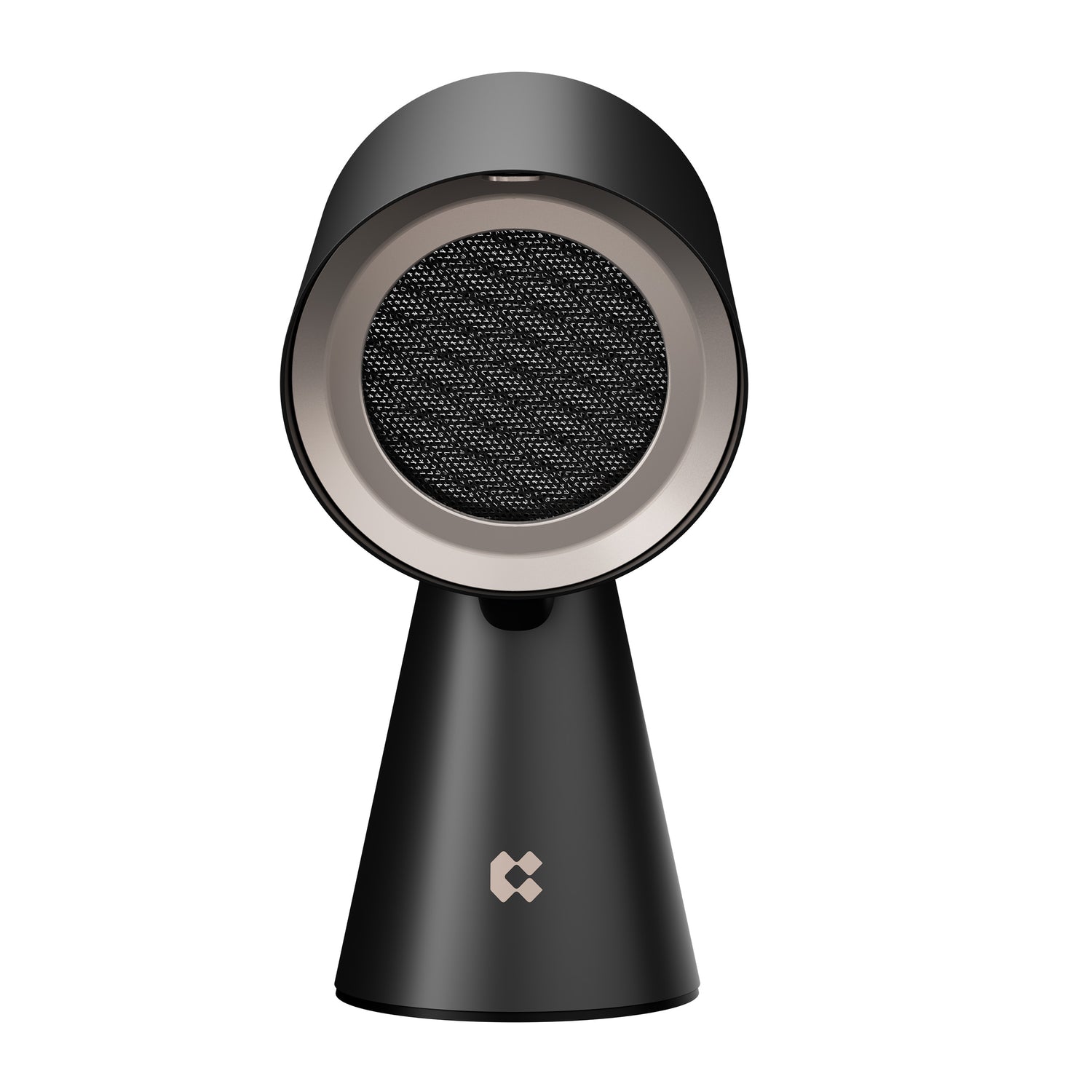
A portable range hood
Ciarra Hood to Go
This portable range hood can help reduce smokiness and grease buildup from cooking. But it has its limitations.
Ciarra HOOD TO GO Pro Portable Mini Desktop Range Hood
The Ciarra HOOD TO GO Pro is an upgraded portable kitchen air purifier built for stronger smoke and odor control during indoor grilling, hot pot cooking, and everyday high-heat cooking. Featuring 3-speed airflow control, up to 160m³/h airflow (about 94 CFM), and advanced triple filtration with bonus carbon and HEPA filters, it delivers more powerful air cleaning while still maintaining a compact desktop design. Its sleek black gradient finish, quiet operation under 65dB, and easy-clean removable filters make it a great fit for RVs, apartments, and modern small kitchens.

A portable range hood
Ciarra Hood to Go Pro
This portable range hood can help reduce smokiness and grease buildup from cooking. But it has its limitations.
These portable range hoods are a smart solution for anyone cooking in small spaces like RVs, apartments, or dorms. The standard HOOD TO GO is great for everyday cooking and portability, while the Pro version offers stronger airflow and better odor control for indoor BBQ, hot pot, and heavier cooking. Both models make cooking more comfortable by helping reduce smoke, grease, and lingering food smells without complicated installation.


