









Cooking odors, grease, and smoke are common challenges in many American homes, apartments, dorm rooms, RVs, and rental properties. If you don't have a built-in kitchen ventilation system, you've probably searched for alternatives and come across two popular solutions: portable range hoods and window fans.
But which one actually works better?
Two of the most popular tenant-friendly solutions are Portable Range Hoods (desktop hoods) and Window Fans. While both aim to clean up your indoor air, they use completely different mechanics.
This guide compares portable range hoods and window fans in detail, helping you choose the best option for your cooking space.
The Hidden Danger of Kitchen Smoke
When considering a portable range hood or a window fan, it’s important to first understand the dangers of kitchen smoke. Smoke generated during cooking is more than just an unpleasant odor—it can pose serious health risks. Kitchen smoke contains fine particulate matter (PM2.5), volatile organic compounds (VOCs), grease particles, and potentially carcinogenic substances that can be inhaled deep into the lungs. Long-term exposure may lead to respiratory issues, chronic coughing, aggravated asthma, and even increase the risk of cardiovascular problems.
Additionally, these tiny particles can settle on kitchen surfaces, furniture, and clothing, creating environmental pollution and making cleaning more difficult. Children, pregnant women, and individuals with respiratory conditions are particularly vulnerable. Even brief periods of high-heat frying or sautéing can release significant amounts of harmful substances, and poor ventilation amplifies the risks.
For U.S. households, it’s crucial to use effective smoke extraction and air purification solutions.
What‘s a Portable Range Hood and How It Works?
A portable range hood is a compact, movable ventilation device designed to capture smoke, grease, steam, and odors directly at the cooking source.
Unlike traditional range hoods that require ductwork and professional installation, portable range hoods simply sit near the cooktop and plug into a standard electrical outlet.
How It Works
Instead of ducting air outside, a portable hood pulls smoke and steam inward using a localized fan. The air passes through a multi-stage filtration system—usually an aluminum mesh or polymer filter to trap grease, followed by an activated carbon filter to absorb odors—and recirculates the scrubbed, clean air back into the kitchen.

They are commonly used for:
- Apartments
- Dorm rooms
- RVs
- Small kitchens
- Indoor grilling
- Hot pot gatherings
- Rental properties
Portable Range Hoods (Desktop Hoods) Pros and Cons
Pros:
- Flexibility: Portable range hoods can be moved or placed where needed, ideal for small kitchens, apartments, or temporary cooking setups.
- Easy Installation: No ductwork is required for most models; simply plug in and place near the cooking area.
- Quick Maintenance: Many portable hoods use reusable filters or simple charcoal filters, making cleaning straightforward.
Cons:
- Limited Suction Power: Portable units typically have lower airflow capacity compared to built-in or ducted hoods, which may not fully remove strong cooking odors or heavy smoke.
- Noise Levels: Some portable hoods can be louder than built-in systems, especially on higher fan settings.
- Coverage Area: They may not fully cover large cooktops, especially multi-burner ranges or high-heat cooking.
- Filtration Limitations: Most portable hoods rely on recirculation with filters rather than venting outdoors, so air purification may be less efficient for grease and smoke.
- Ongoing Maintenance: The carbon filters cannot be washed and must be replaced every 2 to 4 months, introducing a recurring cost.
What‘s a Window Fan and How It Works?
A window fan is a ventilation device mounted inside a window opening that moves indoor air outdoors.
Unlike a portable range hood, a window fan does not capture smoke directly from the cooking surface. Instead, it removes air from the room as a whole.

How It Works
Window fans typically:
- Pull indoor air outside
- Bring fresh outdoor air inside
- Operate in exhaust mode, intake mode, or both
They are often used for:
General room ventilation
Cooling homes
Reducing humidity
Improving airflow
Some homeowners also use them to help remove cooking odors.
Window Fans Pros and Cons
The Pros
Total Air Exchange: It physically removes smoke, moisture, and carbon monoxide from your home rather than just filtering them.
Temperature Control: It exhausts the massive amount of ambient heat generated by your stove, cooling down a hot kitchen.
Zero Recurring Costs: There are no expensive filters to buy. You only need to wipe down the plastic or metal blades occasionally.
High Volume Performance: It moves a significantly larger volume of air across the entire room compared to a small desktop unit.
The Cons
Distance from the Smoke: Because the fan is restricted to the window frame, smoke must travel across your kitchen to escape. During that transit, grease particles have ample time to settle on your countertops and walls.
Climate Dependent: It is highly impractical to use during extreme winter cold, humid summer days, heavy rainstorms, or high-pollen spring seasons.
No Grease Filtration: Unlike range hoods, window fans do not filter grease particles, which can accumulate on kitchen surfaces over time.
Reduced Efficiency in Large Homes: Airflow may not be sufficient to ventilate larger spaces or open-concept floor plans effectively.
Portable Range Hood vs Window Fan
| Feature | Portable Range Hood | Window Fan |
| Primary Strength | Traps grease and odors instantly | Exchanges stale indoor air for fresh air |
| Placement | Countertop (right next to the pan) | Strictly mounted in a window frame |
| Grease Control | High (captures oil at the source) | Low (grease travels across the room) |
| Year-Round Use | Yes (completely indoor) | No (restricted by outdoor weather) |
| Ongoing Costs | Variable (requires replacement filters) | $0 (washable blades) |
When deciding between a portable range hood and a window fan, the choice ultimately comes down to the two most critical factors in kitchen ventilation: clearing out visible smoke and neutralizing stubborn food smells. While standard features like price and portability matter, how well a device handles heavy smoke clouds and lingering aromas will determine your daily satisfaction.
Smoke Removal Performance
Portable Range Hood
One of the biggest advantages of a portable range hood is source capture.
Because the unit sits close to the pan, grill, or cooktop, it intercepts smoke before it spreads throughout the room.
This can significantly reduce:
- Visible smoke
- Cooking smells
- Grease buildup
- Airborne particles
Portable range hoods are particularly effective during:
- Pan frying
- Indoor barbecue
- Korean BBQ
- Hot pot cooking
- Searing meat
- Window Fan
A window fan removes smoke only after it has already entered the room.
For example, when cooking bacon, steak, or stir-fried dishes, smoke first spreads through the kitchen before eventually reaching the fan.
As a result:
- Smoke lingers longer
- Grease can settle on surfaces
- Odors may spread throughout the home
Winner: Portable Range Hood
Odor Control Comparison
Cooking odors are one of the most common complaints among apartment residents.
Portable Range Hood
Most portable range hoods include activated carbon filtration that helps absorb odors from:
- Fish
- Garlic
- Onions
- Fried foods
- Spicy cooking
The odor is treated before air is returned to the room.
Window Fan
Window fans rely on air exchange.
If weather conditions are favorable and airflow is strong, they can reduce odors effectively.
However:
- Wind direction affects performance
- Outdoor air quality matters
- Odors can still linger indoors
Winner: Portable Range Hood
Which One Should You Choose?
When it comes to choosing between a portable range hood and a window fan, the clear winner is the portable range hood for most U.S. kitchens.
Portable range hoods also feature activated carbon or advanced filters that actively neutralize stubborn cooking odors from garlic, onions, fish, and fried or spicy foods. This means cleaner air, less grease buildup on surfaces, and a more pleasant cooking environment overall.
While window fans may be cheaper and improve general airflow, their performance heavily depends on outdoor conditions, wind direction, and air quality—and they are not designed to remove grease or heavy smoke effectively.
For anyone serious about keeping their kitchen smoke-free and odor-free, especially in apartments or homes without built-in ventilation, a portable range hood is the smarter, more efficient choice. It combines convenience, portability, and professional-level smoke and odor control in one compact unit.
You might be interested in:
When a Window Fan May Be the Better Choice
Although portable range hoods are often superior for cooking-related ventilation, window fans still have advantages.
A window fan may be the better choice if:
You want whole-room ventilation.
You need additional cooling during summer.
You frequently open windows anyway.
You want a low-cost airflow solution.
For non-cooking applications, window fans can provide excellent value.
Recommended Portable Range Hoods: Ciarra HOOD TO GO
1. Ciarra HOOD TO GO Portable Mini Desktop Range Hood – Shadow Noir
The original HOOD TO GO combines portability and performance in a sleek, mini design. Its powerful 2 m³/min DC motor ensures effective smoke and odor removal, making it ideal for hot pot, BBQ, or indoor grilling. Lightweight and compact, it can be placed directly near your cooking surface and requires no technical installation—just plug in and start cooking.

Key features:
- Triple-layer filtration: Polymer, aluminum, and carbon filters remove grease, smoke, and odors efficiently. Filters are dishwasher-safe for easy maintenance.
- Easy operation: One-button start with 2-speed settings for flexible airflow.
- Convenient and portable: Mini size lets you cook anywhere—from your kitchen to the living room, event room, or RV.
- Durable and low-maintenance: Upgraded ABS material, large-capacity oil cup, and simple wipe-clean surface.
- Safety notice: Recommended for use with induction cookers, electric grills, and electric heating appliances. Air inlet should be within 10 cm of the cooking surface.
Whether hosting a family reunion or a friendly gathering, HOOD TO GO keeps air clean while you focus on the food.
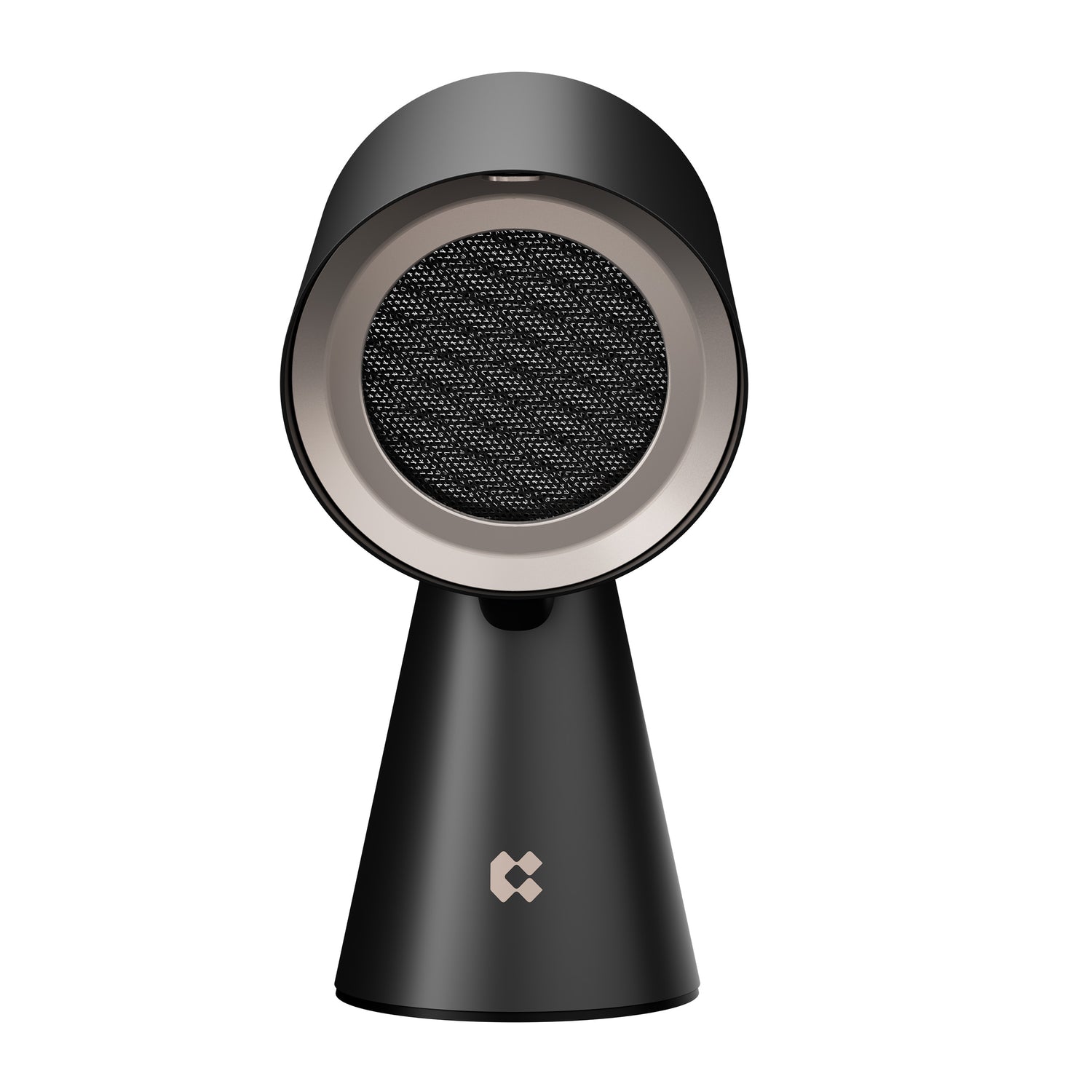
A portable range hood
Hood to Go
This portable range hood can help reduce smokiness and grease buildup from cooking. But it has its limitations.
2. Ciarra HOOD TO GO Pro Portable Mini Desktop Range Hood – Black-to-Gray Gradient
The HOOD TO GO Pro is the upgraded version of the original, offering even stronger suction, advanced triple filtration, and 3-speed controls for more powerful and flexible ventilation. Its modern black-to-gray gradient finish adds a stylish touch to any kitchen, apartment, or RV space.

Key features:
- Powerful smoke and odor removal: High-efficiency motor captures smoke, grease, and odors at the source, with a quiet operation under 65 dB.
- Advanced triple filtration: Polymer layer traps grease, aluminum filter reduces fumes, and activated carbon absorbs odors. Comes with bonus carbon and HEPA filters for extended performance.
- Portable & easy to use: Mini desktop design, one-button control, and 3 adjustable speed levels. No installation required.
- Effortless cleaning: Dishwasher-safe filters and large-capacity oil cup simplify maintenance. Upgraded ABS material ensures durability and stain resistance.
- Multi-purpose: Perfect for hot pot nights, indoor BBQs, and small kitchen setups. Makes a practical and thoughtful gift.
- Safety notice: Recommended for induction cookers, electric grills, and other electric appliances. Keep the air inlet within 10 cm of the cooking surface.
With the HOOD TO GO Pro, you can cook comfortably anywhere—RV trips, small apartments, or indoor events—while keeping the air clean and fresh.

A portable range hood
Hood to Go Pro
This portable range hood can help reduce smokiness and grease buildup from cooking. But it has its limitations.
Conclusion
When comparing a portable range hood vs window fan for cooking ventilation, portable range hoods are generally the more effective solution.
They are specifically designed to capture smoke, grease, steam, and odors directly at the cooking source, making them better suited for apartments, rentals, dorms, RVs, and kitchens without built-in ventilation.
Window fans can improve overall airflow and help remove lingering odors, but they cannot effectively capture grease and smoke before those pollutants spread through the room.
For most home cooks, especially those who frequently fry, grill, or prepare high-heat meals, a portable range hood offers better performance, greater convenience, and year-round usability. For the best indoor air quality, combining a portable range hood with natural ventilation or a window fan can create an even more effective kitchen ventilation strategy.


